Which assistive tool could help a dyslexic student in the classroom?
 Rachel Hickman
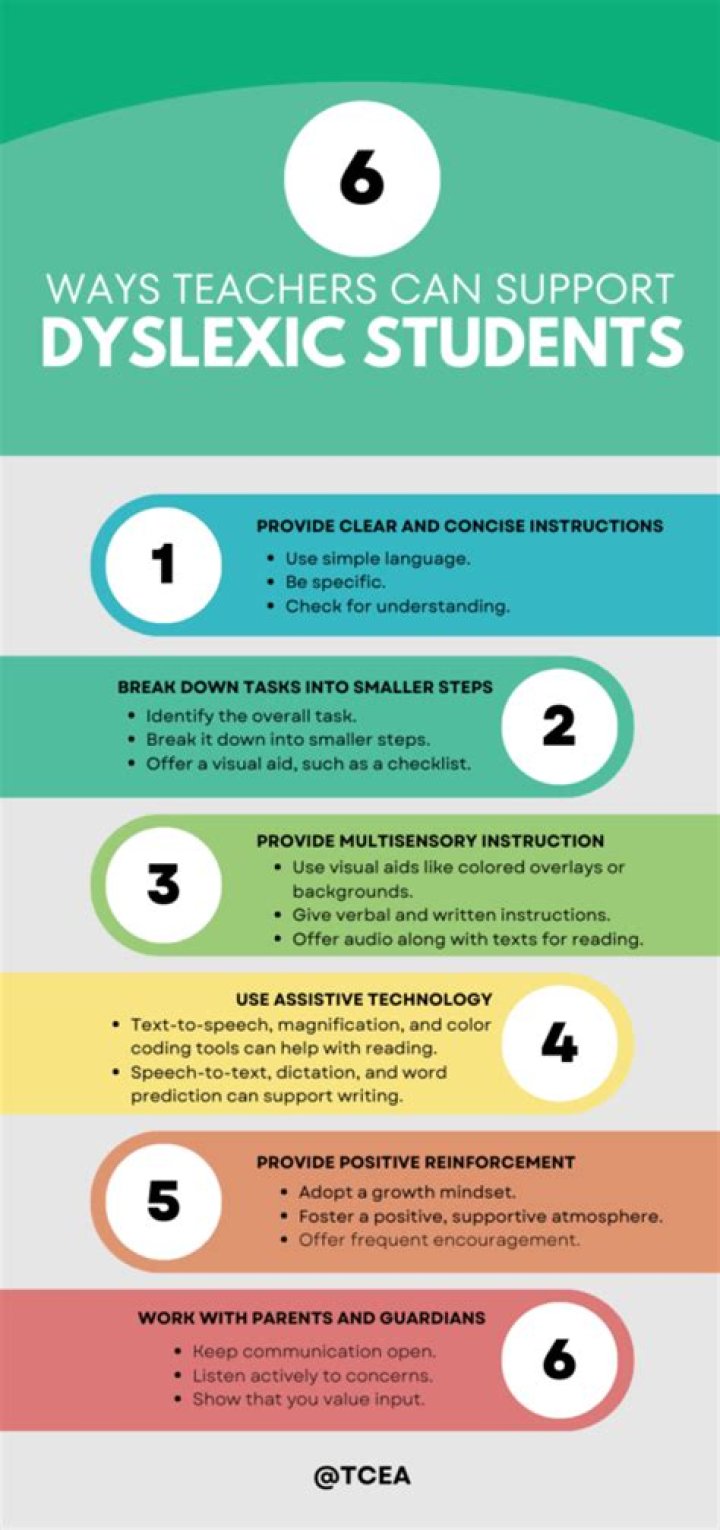
 Text to Speech: With Text-to-Speech technology, dyslexic students can listen to words while scanning text or visualizing the narrative. This can be used to improve reading speed, develop visualization skills, and many students report that it helps them see whole words instead of strings of letters.
What is the best assistive technology for dyslexia?
Assistive Technology
- Speech recognition software.
- Text-to-speech software.
- Mind mapping software.
- Scanning software and hand reading pens.
- Spell checkers that are specifically designed with dyslexia in mind to automatically make corrections to written communications.
- Tablets, Smartphones and Applications.
What kinds of assistive learning technologies are available for dyslexic students?
Audio Books:
- Learning Ally. Learning Ally, which was previously named Recording for the Blind & Dyslexic (RFB&D), is a non-profit volunteer organization operating nationwide in the United States.
- Bookshare.
- State Libraries for the Deaf and Blind.
- Overdrive.
- Audible.
- Voice Dream Reader.
- SnapType.
- Claro ScanPen Reader.
How can assistive technology be useful for students with dyslexia?
The use of assistive technology is allowed in many exams, including GCSEs. Use of basic word processors, without extra functions, can be approved by schools if this is a pupil’s normal way of writing. For learners affected by dyslexia, the ability to edit easily, cut, copy and paste will save hours of precious time.
What tools can help dyslexia?
Keep reading to learn more about tools that offer dyslexia help for adults.
- Speech-to-text technology. Reading comprehension is one of the most challenging skills for people with dyslexia.
- Electronic flashcards.
- Lined and graph paper.
- Eyelighter.
- Toobaloo.
- Writing helpers.
What is a adaptive technology for dyslexia?
Assistive technologies include devices and applications that help people with dyslexia with various tasks including: reading. spelling. writing. organization of ideas.
What are some examples of assistive technology devices?
What are some examples of assistive technology?
- Text to Speech. Allows any electronic text that can be highlighted to be read aloud by a computer or mobile device.
- Reading Pens.
- Voice Recognition.
- Digital Recorders.
- iPads and Tablets.
- Electronic Spell Checkers.
- Word Prediction Software.
- Visual Search Engines.
What software is good for dyslexia?
Read&Write for Work is literacy software for adults. It supports users with neurodiversities, like dyslexia. Its features help with spelling, information processing, and concentration. Whilst offering productivity tools, helpful for the fast-paced world of work.
What modifications help students with dyslexia?
Accommodations involving interactive instruction
- Use explicit teaching procedures.
- Repeat directions.
- Maintain daily routines.
- Provide a copy of lecture notes.
- Provide students with a graphic organizer.
- Use step-by-step instruction.
- Simultaneously combine verbal and visual information.
What is assistive technology for special education?
Individuals with Disabilities Education Act An assistive technology device is defined as “any item, piece of equipment, or product system, whether acquired commercially off the shelf, modified, or customized, that is used to increase, maintain, or improve functional capabilities of a child with a disability.
What are examples of assistive technology?
Examples include:
- magnifiers,
- talking devices such as a talking thermostat,
- Braille displays,
- screen reading software,
- text-to-speech systems using Optical Character Recognition (OCR),
- large print materials, and.
- phones with large tactile buttons.
What are 3 types of assistive technology?
Some examples of assistive technologies are:
- Mobility aids, such as wheelchairs, scooters, walkers, canes, crutches1, prosthetic devices, and orthotic devices.
- Hearing aids to help people hear or hear more clearly.
How can tech help students with dyslexia?
Audiobooks and Text-to-Speech. First,let’s take a look at an inexpensive and easily implementable technology: audiobooks.
How assistive technology can help you?
Assistive technology devices and services help users with disabilities perform tasks like typing,drawing,and more.
How does assistive technology help students with disabilities?
Assistive technology is designed to help students who have learning disabilities. Whether students have physical impairments, dyslexia or cognitive problems, assistive technology can help them to function within the classroom. These tools include any type of equipment or device that helps students to compensate for their learning disabilities.
How does assistive technology help?
Assistive technology helps people who have difficulty speaking, typing, writing, remembering, pointing, seeing, hearing, learning, walking, and many other things. Different disabilities require different assistive technologies.